-
min. 2, max. 6
-
▲▲▲△△
-
▲▲▲△△
Trekking & Climbing Sangay – Ecuador’s Wildest Volcano Adventure
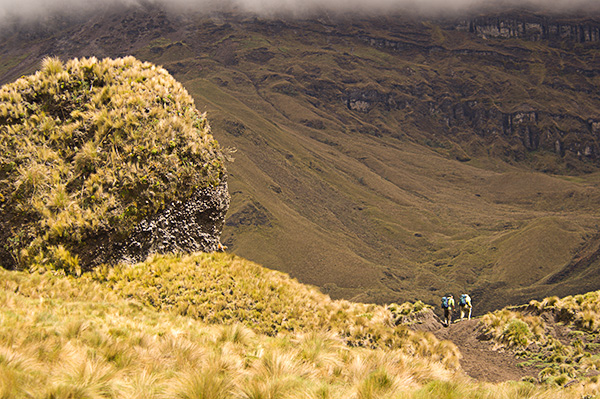
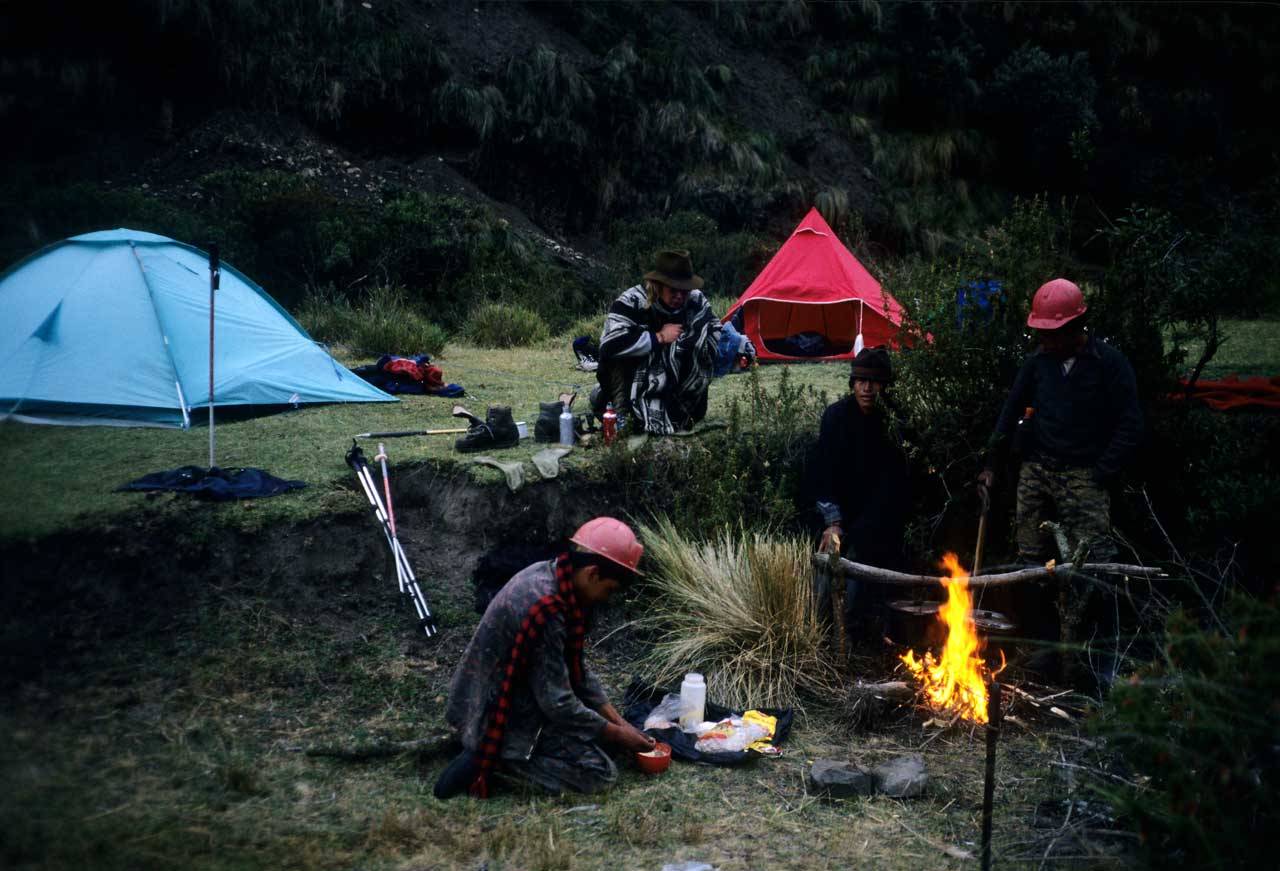
Sangay is one of the most remote and adventurous volcanoes in Ecuador. This 6-day expedition through the spectacular Sangay National Park follows the Guarguallá Chico – Plazapamba – La Playa route, allowing the use of mules to transport expedition equipment as far as La Playa base camp.
Located approximately 200 km south of Quito, Sangay National Park is Ecuador’s largest mainland national park and one of the country’s most extraordinary wilderness areas. The park stretches from the Eastern Cordillera deep into the Amazon Basin and spans the provinces of Morona Santiago, Chimborazo, and Tungurahua.
A UNESCO World Heritage Wilderness
Sangay National Park protects an astonishing diversity of ecosystems and landscapes. Within the park, visitors encounter:
- Humid tropical rainforest
- Cloud forests
- High-altitude páramo grasslands
- Volcanic valleys
- Glacial terrain
- Rivers, waterfalls, lakes, and thermal springs
The park is also home to some of Ecuador’s most iconic volcanoes, including:
- Sangay – one of the most active volcanoes in the world
- Tungurahua – Ecuador’s famous active volcano
- El Altar – the dramatic extinct volcanic massif
Because of its exceptional biodiversity and ecological importance, the region was declared a national park in 1979 and later recognized as a UNESCO World Heritage Site in 1983. In 1992, the Ecuadorian government expanded the protected area to more than 5,000 km².
Climbing Sangay
Sangay itself is one of Ecuador’s most active and isolated volcanoes. Its remote location and constant volcanic activity make it one of the most adventurous mountaineering objectives in the Andes.
Unlike many Ecuadorian volcanoes, Sangay currently has no significant glaciers, meaning climbers generally do not rope up during the summit ascent. Moving unroped allows climbers to react more quickly to loose volcanic rocks and debris that may roll down the slopes.
However, climbers still carry crampons and ice axes in case snow or icy conditions are encountered higher on the mountain.
The ascent involves steep volcanic terrain, ash slopes, loose rock, and physically demanding hiking at high altitude. Because of the volcano’s remote location and active nature, the climb is best suited for experienced and well-conditioned mountaineers seeking a true wilderness expedition.
Wildlife & Natural Beauty
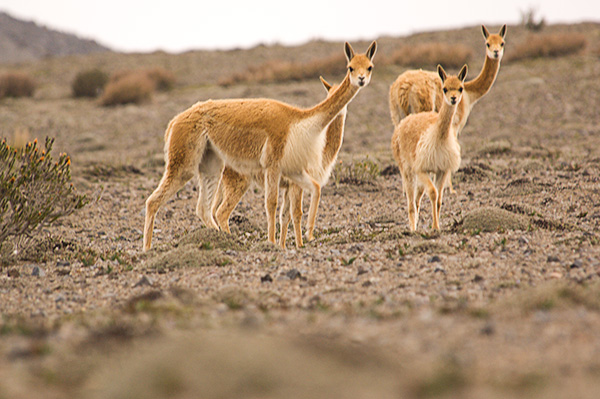
The journey through Sangay National Park offers incredible opportunities for wildlife observation and nature photography. The park shelters a remarkable variety of Andean and Amazonian species, including:
- Spectacled bears
- Mountain tapirs
- Andean foxes
- Condors and birds of prey
- Numerous hummingbird species
- Unique high-altitude flora and orchids
The constantly changing scenery — from alpine grasslands to cloud forest and volcanic landscapes — makes this one of the most diverse trekking regions in Ecuador.
One of Ecuador’s Greatest Expeditions
Trekking and climbing Sangay is far more than a mountain ascent. It is a true expedition into one of South America’s last great volcanic wildernesses.
For climbers and trekkers seeking solitude, raw nature, remote landscapes, and authentic adventure, Sangay offers one of the most unforgettable experiences in the Ecuadorian Andes.
Highlights
- Explore one of Ecuador’s most diverse ecosystems, where striking contrasts between lush lowland forests, cloud forests, páramo grasslands, and snow-capped volcanoes create unforgettable landscapes.
- Enjoy exceptional wildlife viewing opportunities while searching for rare native species such as the mountain tapir and the majestic Andean condor, both protected within the remote wilderness of Sangay National Park.